Pain management specialist · Singapore

Pain Relief Starts With Listening

Specialist pain management for patients who deserve more than a quick fix: a careful diagnosis, clear options, and a plan made for you.

25+

Years of experience

FIPP

International Certification

2

Clinic Locations

Dr Ho Kok Yuen

Consultant Pain Specialist & Anaesthesiologist

The Pain Clinic @ Alvernia

The Pain Clinic @ Orchard

Is this clinic right for you?

Pain management that's built around you

Every patient’s pain is different — in cause, in character, and in how it affects daily life. We take the time to understand yours before recommending anything.

Pain is affecting your daily life

Sleep, work, relationships — chronic pain touches everything. Our goal is not just to reduce pain levels, but to restore the quality of life you had before pain took hold.

You want to avoid or delay surgery

Surgery is not always the only option. We offer evidence-based minimally invasive procedures that can provide meaningful relief without the risks and recovery of an operation.

Other treatments haven’t helped

You've tried physiotherapy, TCM, chiropractic care, or long-term medication — and the pain persists. We specialise in cases where standard approaches have reached their limit.

Our approach

Specialist care that goes beyond pain relief medication

While primary care clinics provide essential initial management, we complement this care with specialised diagnostics and advanced interventions. We step in when pain requires a thorough evaluation and a targeted, long-term strategy.

01

Accurate diagnosis first

Many patients arrive with pain that has never been properly explained. We take the time to investigate the root cause before recommending any treatment.

02

Minimally invasive by default

Where possible, we prioritise targeted interventional procedures such as radiofrequency ablation or neurostimulation. Our goal is to restore function while reducing the need for major surgery or indefinite medication use.

03

Transparent about costs and outcomes

We explain your options, expected outcomes, and fees clearly at the first consultation. No surprises. Medisave-claimable procedures are identified up front.

Our diagnostic framework

The Pain Clinic
Pain Map™

We don’t just treat pain — we MAP it.

Unlike a standard consultation, our Pain Map™ framework ensures every patient is assessed through a structured four-step lens — so nothing is missed, no cause is assumed, and every treatment plan is built on solid ground.

Pathophysiology

Mechanism

Identify the pain mechanism — tissue injury, peripheral nerve involvement, or central nervous system sensitisation. Understanding the source is the foundation of effective treatment.

Alarms

Red Flags

We carefully assess for serious medical conditions that may require urgent attention, such as fractures, infections, tumours, or circulation-related issues, before beginning any treatment.

Intervention Plan

Your Treatment Options

Design a personalised treatment plan — which may include medications, targeted injections, physiotherapy, minimally invasive procedures, or a combination. Always tailored, never templated.

Next Steps

Action Plan

Review your progress at each follow-up. Adjust the plan if needed, escalate to specialist surgical referral when appropriate, or step down care as you improve. Your journey is ongoing.

Structured thinking. Personalised Care. Better outcomes.

Conditions we treat

Understanding Pain Before Treatment

Pain can result from various conditions affecting the nerves, muscles, joints, or spine, and identifying the underlying cause is important before starting treatment. A proper clinical assessment and diagnostic evaluation can help determine the source of pain and guide suitable treatment options based on your condition and symptoms.

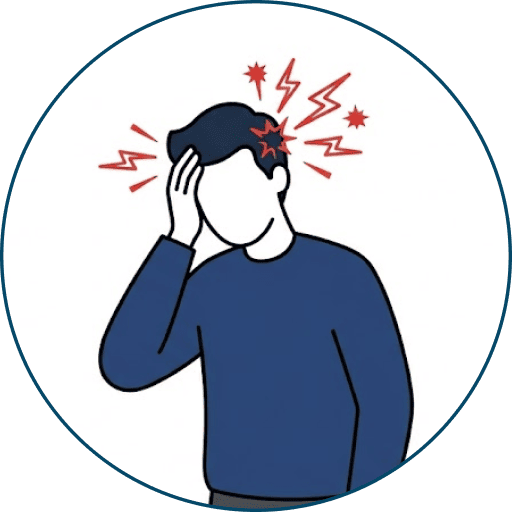
Headache

(Head, Forehead, Temples, Back Of The Head)

Headaches can arise from a variety of causes, ranging from tension headaches and migraines to more complex neurological conditions. Persistent headaches can significantly impact daily life and may require specialised treatment.

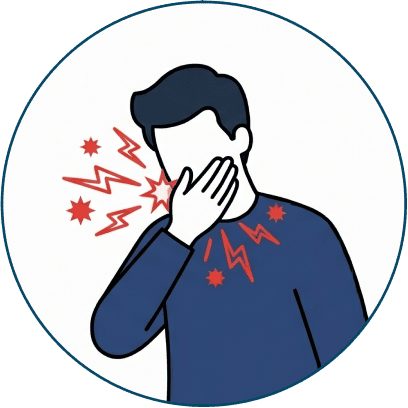
Trigeminal Neuralgia

(Cheeks, Jaw, Teeth, Or Around The Eyes)

Trigeminal neuralgia is a condition characterised by intense, sharp, or burning pain in the face. It is the most common cause of facial pain and arises from irritation or compression of the trigeminal nerve, which carries sensation from the face to the brain.

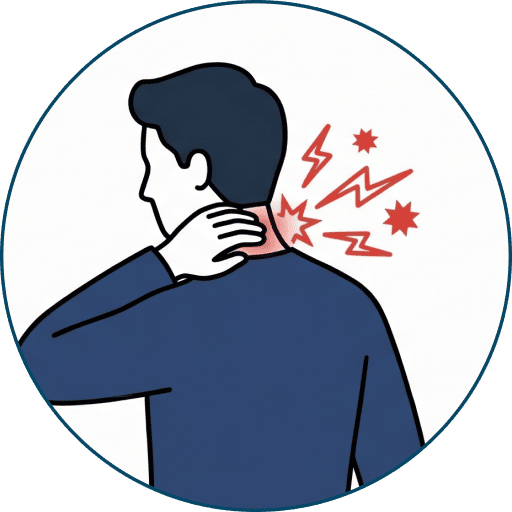
Neck Pain

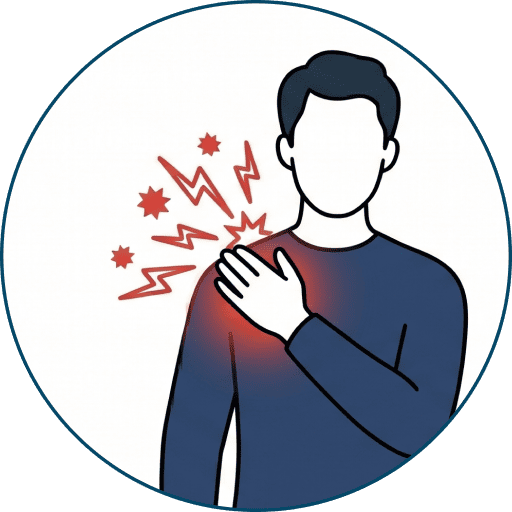
(Neck, Shoulders, Upper Back, Arms/Head)

Neck pain can stem from various sources, including muscle sprains, ligamentous strains, facet joint issues, or herniated discs. It often results from poor posture, injury, or degenerative changes in the spine.

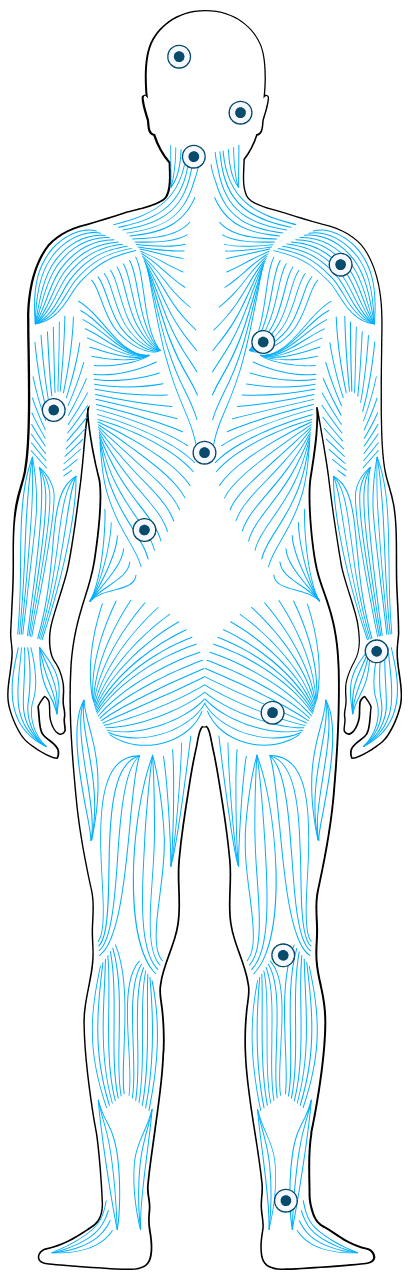
Myofascial Pain

(Muscles On The Neck, Shoulders, Back, And Hips, Where Trigger Points Are Often Found.)

Myofascial pain is a chronic condition characterised by pain and tenderness in the muscles and the surrounding fascia (connective tissue). This type of pain often results from muscle overuse, injury, or stress, and can lead to the formation of trigger points localised areas of intense pain.

Shingles Pain

(One Side Of The Torso, Face, Or Other Areas Along The Nerves)

Shingles, also known as herpes zoster, is a painful rash caused by the reactivation of the chickenpox virus. This condition results in a distinctive, blistering rash, and can lead to significant discomfort and nerve pain.

Fibromyalgia

(Muscles And Soft Tissues Throughout The Body, Neck, Shoulders, Back, And Hips)

Fibromyalgia is a condition characterised by chronic, widespread pain and heightened sensitivity in various areas of the body. It often accompanies other symptoms such as fatigue, sleep disturbances, and cognitive issues.

Cancer Pain

(Pain At The Cancer Site Or Areas Affected By The Spread Of The Cancer)

Cancer pain arises from the tumour pressing on surrounding organs, bones, or nerves, or as a result of the cancer itself or its treatment.

Low Back Pain

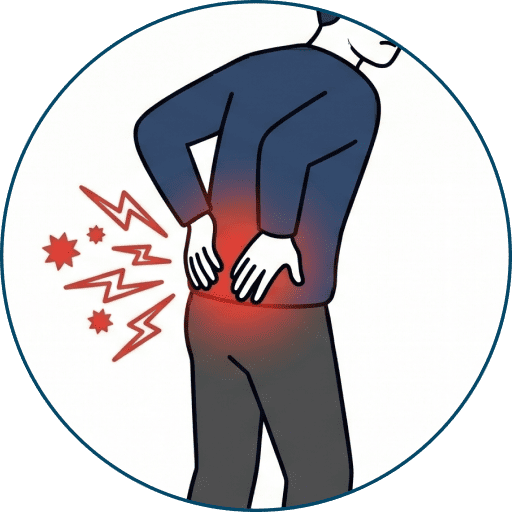
(Lower Back, Which May Radiate To The Hips, Buttocks, Or Legs)

Low back pain can result from muscle sprains, ligamentous strains, or issues with the spinal discs and joints. It often stems from poor posture, repetitive stress, or injury.

Sciatica Pain

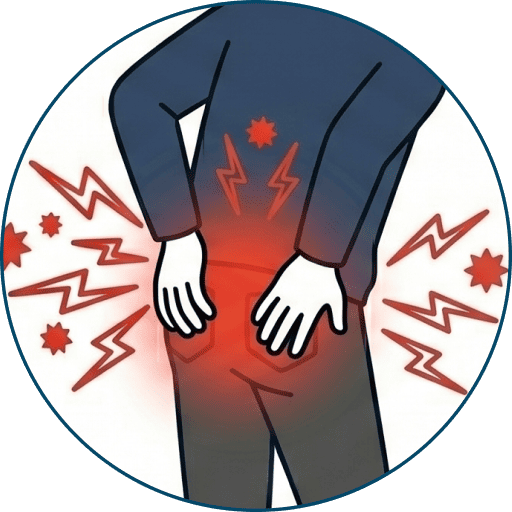
(Lower Back, Buttocks, Thighs, And Legs, Often Affecting Only One Side Of The Body)

Sciatica pain occurs when the sciatic nerve, which runs from the lower back through the hips and down each leg, becomes compressed or irritated.

Neuropathic Pain

(Include The Arms, Legs, Or Any Part Of The Body That The Damaged Nerves Serve)

Neuropathic pain is caused by abnormalities or damage to the nerves themselves, leading to sensations such as burning, tingling, or shooting pain.

Joint Pain

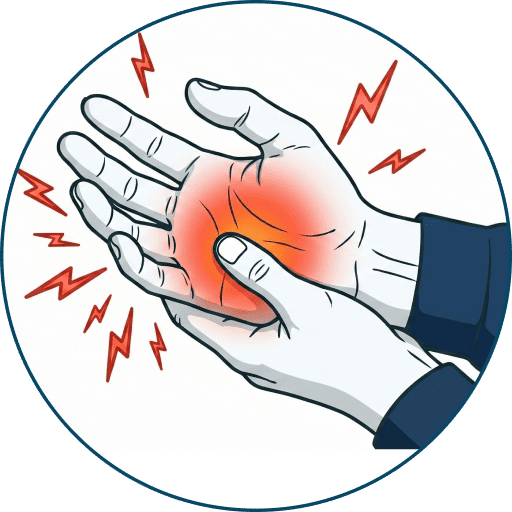
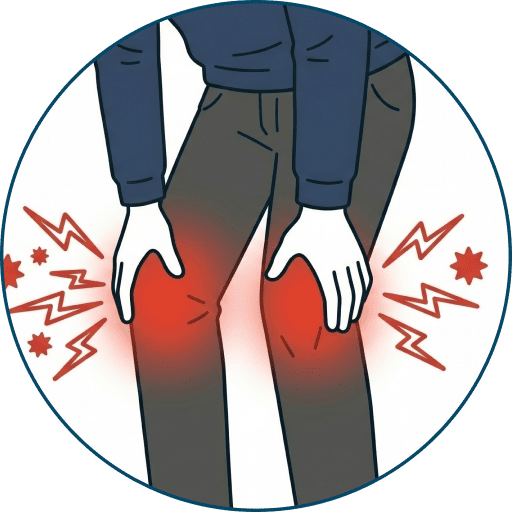
(Shoulders, Hips, And Knees, Impacting Movement And Daily Activities)

Joint pain can arise from various conditions, including arthritis, injuries, or overuse. Initial treatment often involves physical therapy, targeted exercises, and pain management strategies to reduce inflammation and improve joint function.

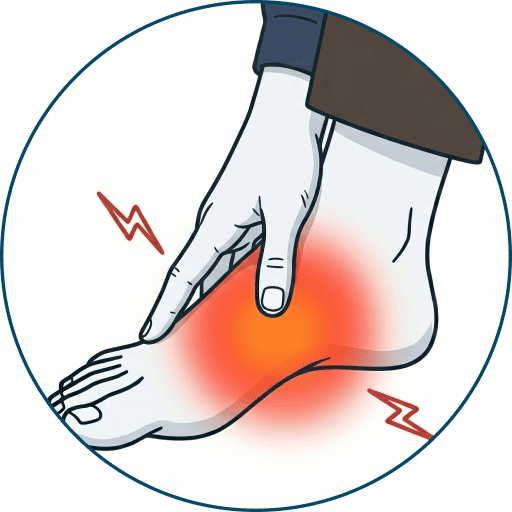
Sports Injuries

(Knees, Shoulders, Ankles, Lower Back, Depending On The Type Of Sport And The Nature Of The Injury)

Sports injuries are classified into acute injuries, which occur suddenly during physical activity; and chronic injuries, which develop gradually over time due to repetitive stress or overuse. Common types include sprains, strains, fractures, and tendinitis.

Every pain story is different. If yours isn’t listed, get in touch.

Our approach

Meet your doctor

Dr. Ho Kok Yuen

MBBS, MMed (Anaes), FAMS (Anaes), GDSM (Sports Med), GDPM (Palliative Med)

Consultant Pain Specialist and Anaesthesiologist

Dr Ho is one of Singapore’s foremost experts in interventional pain management, with over 25 years of experience treating complex and chronic pain conditions. He serves as an examiner for the ESRA-DPM and WIP FIPP examinations, with the opportunity to represent Asia in these international assessments.

Credentials:

  • Fellow, Interventional Pain Practice (FIPP) with the World Institute of Pain (WIP)
  • European Society of Regional Anaesthesia & Pain Therapy Diploma of Pain Medicine (ESRA-DPM)
  • European Diploma in Pain Medicine (EDPM), European Pain Federation EFIC
  • Graduate Diploma in Sports Medicine (GDSM), Lee Kong Chian School of Medicine (LKCMed)
  • Graduate Diploma in Palliative Medicine (GDPM), National University of Singapore

WHY THE PAIN CLINIC

Why Choose Our Pain Management Clinic in Singapore

The Pain Clinic provides specialist-led assessment and management for a range of chronic, nerve-related, cancer-related and musculoskeletal pain conditions. Care plans are tailored to individual needs, with a focus on evidence-based treatment approaches and patient education.

Specialist-Led Pain Management Care

Patients are assessed by a Ministry of Health-accredited pain management specialist with clinical experience in anaesthesiology, interventional pain procedures and chronic pain management. Each consultation focuses on understanding the underlying cause of pain symptoms and identifying appropriate management options.

Focus on Minimally Invasive Treatment Approaches

Where clinically appropriate, the clinic offers minimally invasive procedures that may support symptom management while reducing disruption to daily activities. Treatment recommendations are based on the patient’s condition, medical history and individual care needs.

Personalised Pain Management Plans

Pain conditions can affect patients differently. The clinic adopts a personalised approach by considering factors such as symptom severity, lifestyle, mobility concerns and previous treatments when developing a management plan.

Experience Managing Chronic & Complex Pain Conditions

The clinic manages a wide range of pain-related conditions, including spine, joint, nerve, cancer, and musculoskeletal pain. Patients with persistent or complex pain symptoms may benefit from a structured assessment and multidisciplinary approach to ongoing pain management.

We Start With Your Story

The Pain Clinic provides specialist-led assessment and management for a range of chronic, nerve-related, cancer-related and musculoskeletal pain conditions. Care plans are tailored to individual needs, with a focus on evidence-based treatment approaches and patient education.

Insurance & payment

Accepted Insurance Providers

We work directly with your insurance provider to process claims. You pay only the remainder — we handle the paperwork.

Not sure if your plan is covered? Contact us

Knowledge centre

Understand your pain better

Common questions

Before you book

What kind of pain should I stop ignoring and see a pain specialist for?

Persistent pain lasting for several weeks, recurring pain that repeatedly returns or symptoms that begin affecting sleep, mobility, work or daily activities may benefit from assessment by a pain specialist. Nerve-related symptoms such as numbness, tingling, burning pain, weakness or radiating pain affecting the arms or legs should also be medically evaluated, particularly if symptoms worsen over time or do not improve with conservative care.

Some patients with persistent or complex pain conditions may continue experiencing symptoms despite previous consultations or medication use. A pain management clinic may provide further assessment of possible nerve, spinal, joint or musculoskeletal contributors to pain, together with a broader range of supportive management approaches tailored to the individual’s condition and functional concerns.

Yes. Some individuals may continue experiencing pain symptoms even when imaging findings appear mild or do not fully explain the severity of discomfort. Pain assessment may also involve evaluating nerve irritation, muscle dysfunction, joint-related pain, movement patterns and other contributing factors that may not always be clearly visible on scans alone.

Pain management may involve a combination of approaches beyond medication alone, depending on the underlying cause and severity of symptoms. Treatment options may include physiotherapy, rehabilitation, activity modification, interventional pain procedures and supportive strategies aimed at improving mobility, function and overall symptom control as part of an individualised care plan.

Some patients with chronic, nerve-related or musculoskeletal pain conditions may benefit from conservative or interventional pain management approaches before considering surgery. Depending on the underlying condition, treatment may focus on symptom control, improving mobility and supporting daily function through non-surgical management strategies where clinically appropriate.

Still have questions?

Reach us by phone, email, or WhatsApp. We typically respond within one business day.